
Knowledge Centre

From Basics to Prevention

Know Your Pests:

From Basics to
Prevention

The first step to keeping pests away is understanding them. Here’s a simple guide to common pests, their names, and how they affect your home or business.

The first step to keeping pests away is understanding them.

What is a Pest?

A pest is any unwanted insect, rodent, or animal that enters your living or working space, disrupts comfort, damages property, or poses a risk to health and hygiene. While some pests are merely an annoyance, others can spread harmful diseases, trigger allergies, contaminate food, or cause costly structural damage.

Common Pests & Their Scientific Names

Common Pests & Their
Scientific Names

Common Household Pests & How They Affect You

Pests threaten health, hygiene, and property. Explore life cycles, risks, and complete fact lists below — and see why professional pest control is the safest solution.

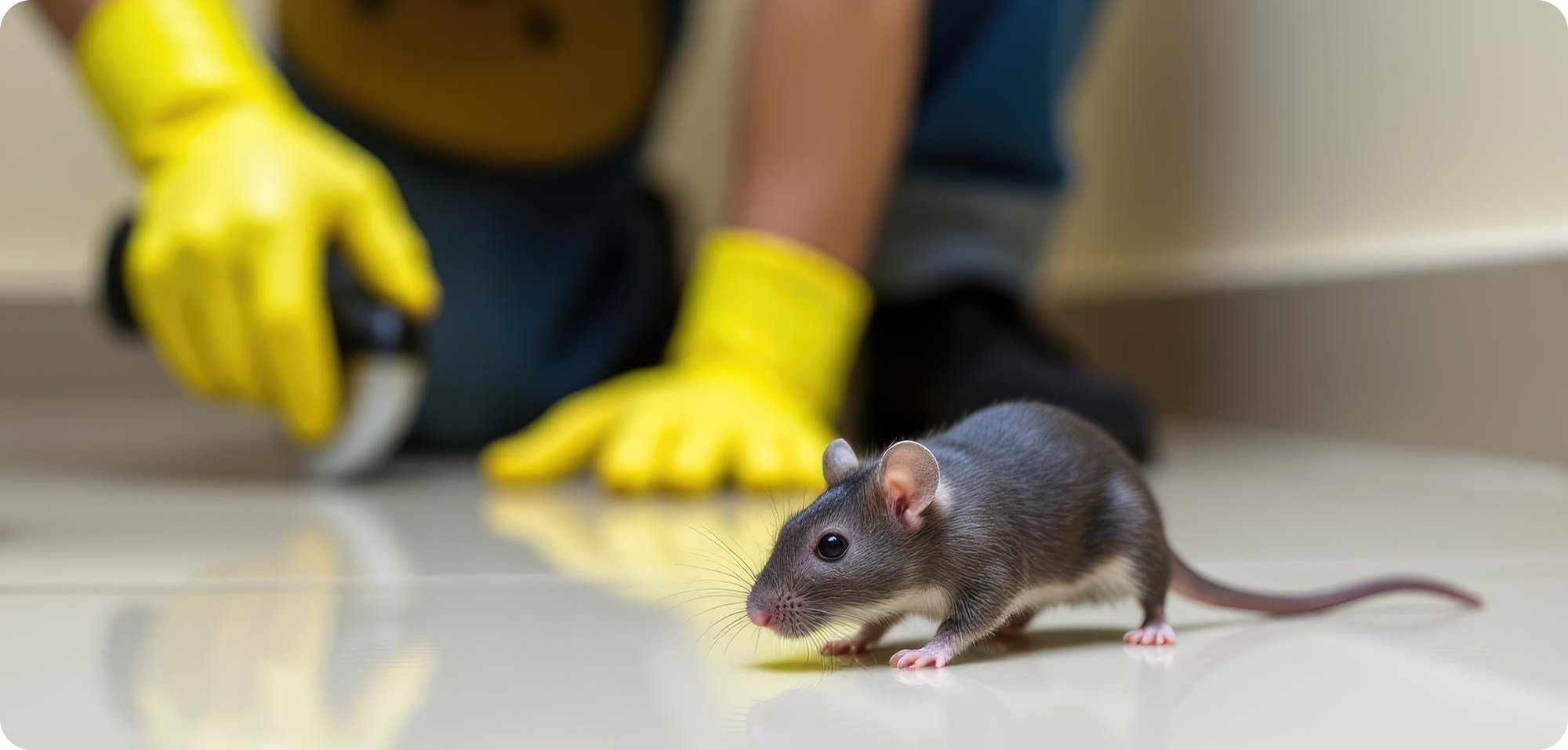
Rat

Life Cycle

  • Lifespan: 1–2 years
  • Breeding: 6–12 pups every 3–4 weeks
  • Maturity: ~5 weeks to sexual maturity

Damage Caused

  • Gnaw through wires, wood, plastic, packaging → fire & safety hazards
  • Food/surface contamination via urine and feces
  • Burrowing weakens floors and foundations

Diseases Spread

  • Gnaw through wires, wood, plastic, packaging → fire & safety hazards

Interesting Facts — Complete

  1. Highly intelligent & trainable (maze solving, name recognition)
  2. Excellent memory of routes
  3. Strong swimmers — up to ~3 days
  4. Squeeze through coin-sized gaps
  5. A pair can yield ~2,000 offspring/year in ideal conditions
  6. Incisors never stop growing → constant gnawing
  7. Social animals; isolation causes stress
  8. Jump ~3 ft vertical / ~4 ft horizontal
  9. Important disease vectors historically (e.g., plague via fleas)
  10. Use whiskers (vibrissae) to navigate in darkness

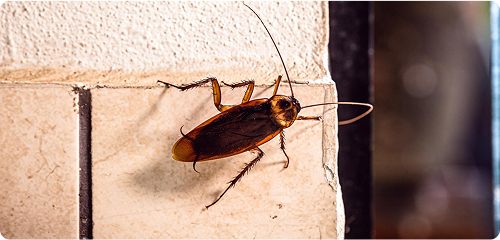
Life Cycle

  • Lifespan: ~1 year
  • Reproduction: Oothecae (egg cases) with 16–50 eggs
  • Development: Nymphs mature in 6 weeks–6 months (species/conditions)

Damage Caused

  • Food & surface contamination
  • Potent allergens → trigger asthma
  • Foul odour from secretions

Diseases Spread

  • Salmonella, E. coli, Dysentery, Gastroenteritis, Typhoid fever

Interesting Facts — Complete

  1. Survive ~1 month without food, ~1 week without water
  2. Can live ~1 week without a head (die from dehydration)
  3. Run up to ~3 mph (4.8 km/h)
  4. Hold breath ~40 minutes
  5. Compressible exoskeleton → squeeze through coin-thin gaps
  6. 300+ million-year lineage
  7. One female can produce hundreds of offspring
  8. Hyper-sensitive antennae detect tiny air movements
  9. Found on all continents except Antarctica
  10. Nocturnal, light-averse

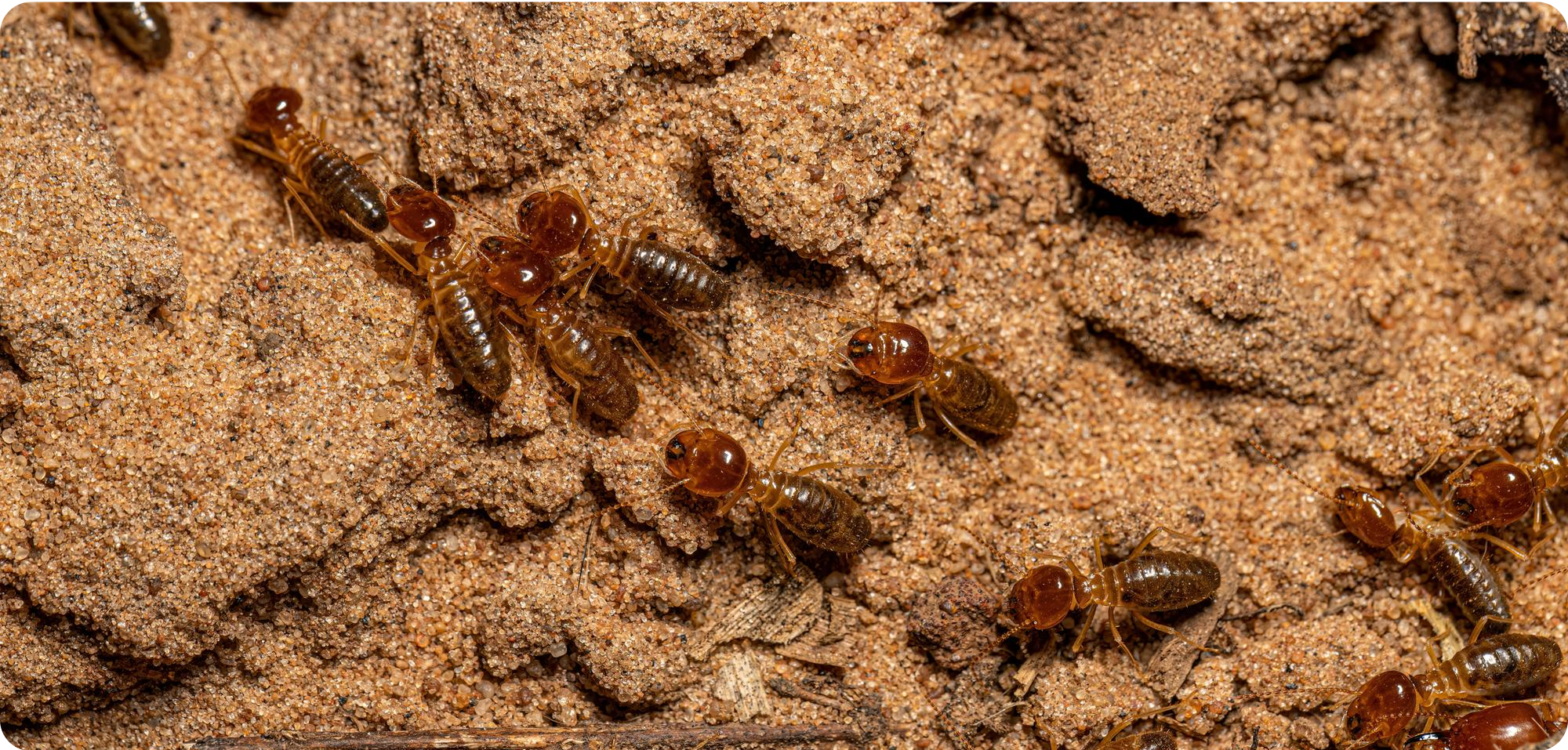
Life Cycle

  • Workers/Soldiers: ~1–2 years
  • Queens: 20+ years, thousands of eggs/day
  • Colonies: Up to millions; winged swarmers (alates) start new colonies

Damage Caused

  • Consume cellulose (wood, paper, fabrics)
  • Hidden structural damage behind walls, floors, furniture

Diseases Spread

  • No known human disease transmission

Interesting Facts — Complete

  1. Long-lived queens (20+ years)
  2. “Silent destroyers” — often unseen until damage is severe
  3. Massive colonies operating 24/7
  4. Digest cellulose via gut symbionts
  5. Never sleep — continuous activity
  6. Caste system (workers, soldiers, reproductives, queen/king)
  7. Alate swarms often mistaken for flying ants
  8. Present everywhere except Antarctica
  9. Key ecosystem recyclers of dead wood
  10. Communicate via pheromones & vibrations

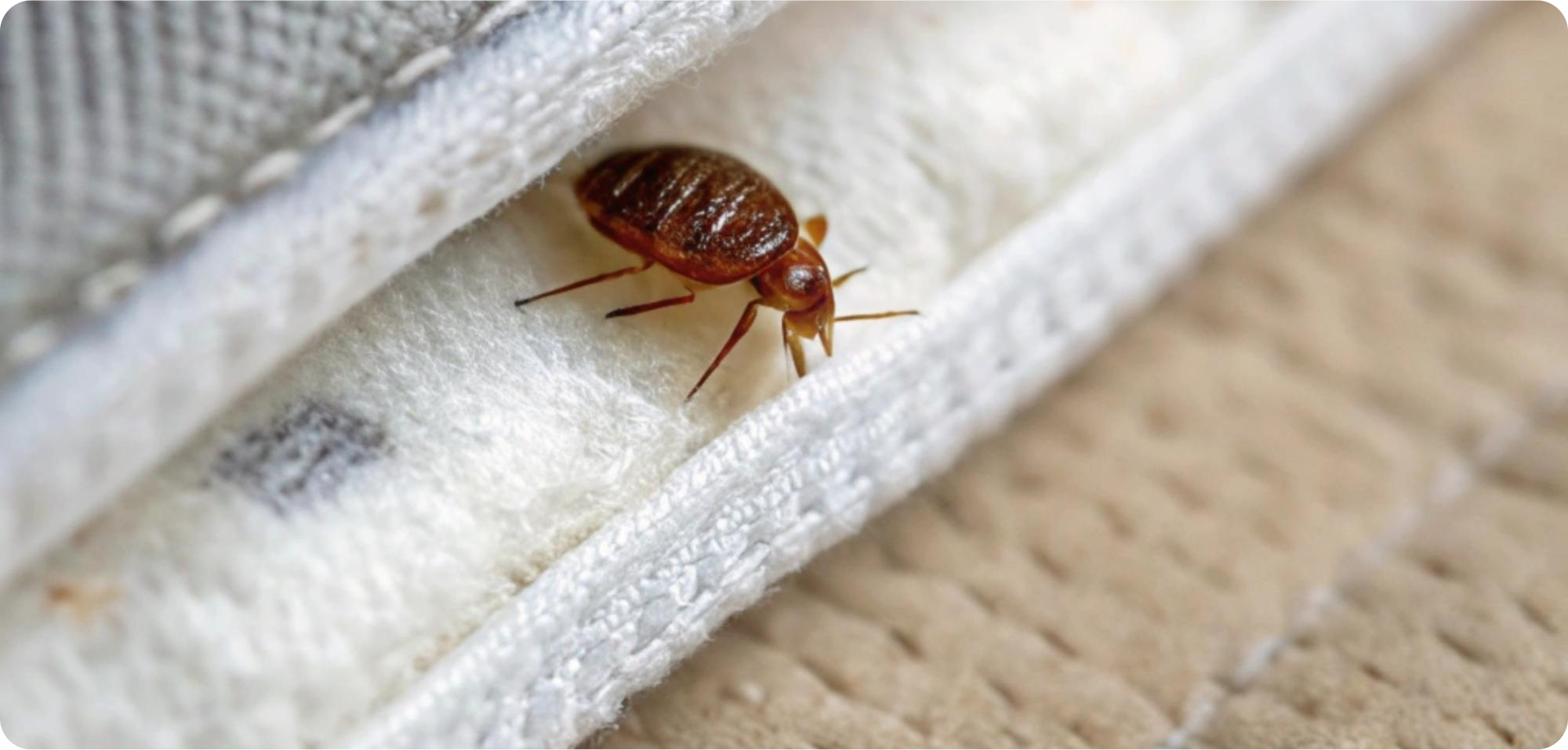
Life Cycle

  • Lifespan: ~6 months–1 year
  • Eggs: Hatch in 6–10 days
  • Maturity: 5–8 weeks to adult
  • Behavior: Nocturnal blood-feeders

Damage Caused

  • Bites → itching, allergic reactions, sleep loss
  • Infest mattresses, upholstery, wall cracks
  • Significant stress/anxiety

Diseases Spread

  • No proven disease transmission (scratching can cause secondary infections)

Interesting Facts — Complete

  1. Obligate blood feeders
  2. Track hosts via CO₂ & body heat
  3. Survive 4–6 months (sometimes ~1 year) without feeding
  4. Bites often painless initially (salivary anesthetics/anticoagulants)
  5. Cryptic — hide in seams, joints, cracks
  6. One female lays ~200–500 eggs lifetime
  7. Not linked to dirt — infest clean or cluttered spaces alike
  8. Hitchhike on luggage, clothes, used furniture
  9. Many populations show insecticide resistance
  10. Do not transmit diseases

Life Cycle

  • Eggs laid in wood pores/crevices
  • Larvae tunnel inside wood for months–years
  • Adults exit, leaving pin holes and powdery frass

Damage Caused

  • Weaken furniture, beams, flooring
  • Frass (fine wood dust) is a clear activity sign

Diseases Spread

  • No human disease transmission (primary risk is structural damage)

Interesting Facts — Complete

  1. Hidden larval stage causes most damage
  2. Exit holes + frass are tell-tale indicators
  3. Many species prefer hardwoods; some target softwoods
  4. Unfinished/poorly sealed wood is more vulnerable (re-infestation risk)
  5. Repeated generations can seriously weaken structures
  6. Adult beetles often emerge years after initial infestation, making detection tricky
  7. High humidity and moisture increase the chances of infestation
  8. Infestations are often spread through movement of infested timber or furniture
  9. Some species can attack bamboo and rattan in addition to wood
  10. Fine, powdery frass (wood dust) usually indicates active infestation, while coarse frass may suggest old damage

Why Pest Control Matters

Pests aren’t just a nuisance — they can affect your health, damage your property, and disrupt your daily life. From spreading diseases to weakening wood and wiring, their impact goes far beyond what you can see. Effective pest control keeps your spaces safe, healthy, and worry-free.

Prevention Tips

Keep food sealed and stored properly

Fix leaks and remove standing water

Seal cracks and entry points

Maintain clean surroundings

Schedule regular inspections

Want Expert Help?

Alfa Pest Control is here to keep your home or business pest-free with safe and effective treatments.

Why Alpha Pest Control Services?

We understand the problems our community faces every day — from seasonal pests to sudden infestations. As a community-based company, we focus on quick response times, fair and transparent pricing, and treatments that actually work.

Experienced Technicians

Trained and certified professionals.

Safe Solutions

Family, pet, & eco-friendly treatments.

Customized Plans

Tailored solutions for your needs.

Reliable Service

Local team you can trust.

Your Local Pest Control Partner

We understand the problems our community faces every day — from seasonal pests to sudden infestations. As a community-based company, we focus on quick response times, fair and transparent pricing, and treatments that actually work. With Alpha, you’re not just hiring a service — you’re choosing a neighbor you can rely on.

Don’t Let Pests Take Over

No more hiding cockroaches, no more sleepless nights. Just clean, safe spaces you can trust

Quick Contact Form

Fill out the form below and our team will get back to you as quickly as possible. We’re here to answer your questions and schedule your service without any hassle.